Seasonal Climate Overview
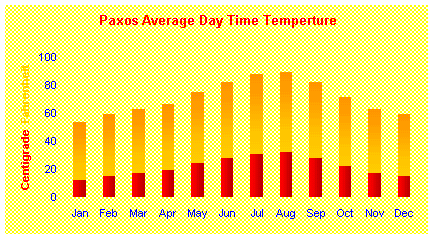
The transition between seasons occurs gradually, with daytime temperatures during winter months typically remaining above 12°C (54°F). Each season offers distinct characteristics that appeal to different visitor preferences.
Spring Period
These months are particularly suited for outdoor activities including hiking and nature photography. Comfortable temperatures combine with spectacular wildflower displays across the landscape. Local communities emerge from the quieter winter period, preparing facilities for the approaching visitor season.
Summer Period
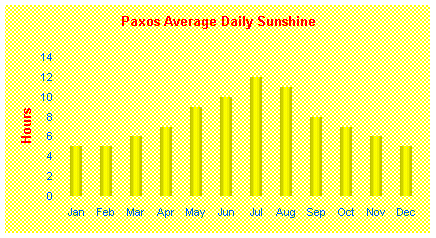
The region experiences extended periods of sunshine, pleasant breezes, clear skies, and inviting sea temperatures perfect for swimming. Evening temperatures remain warm, creating ideal conditions for outdoor dining experiences and leisurely walks along the waterfront.
Autumn Period
Weather patterns become more variable during autumn, with sunshine alternating with occasional rainfall. The pace of island life begins to slow as preparations for winter commence. Despite this, temperatures often reach the mid-twenties Celsius, and ocean temperatures remain comfortable. This period proves excellent for exploration and walking activities.
Winter Period
Rainfall arrives during winter months, providing essential water collection. Most properties utilize traditional cisterns called "sternas" for water storage, as the area lacks natural freshwater sources. Water conservation remains important year-round. After March, precipitation becomes infrequent, and stored water supplies must sustain communities through the following six to seven months.
Climate Data Visualization
Current Weather Conditions
